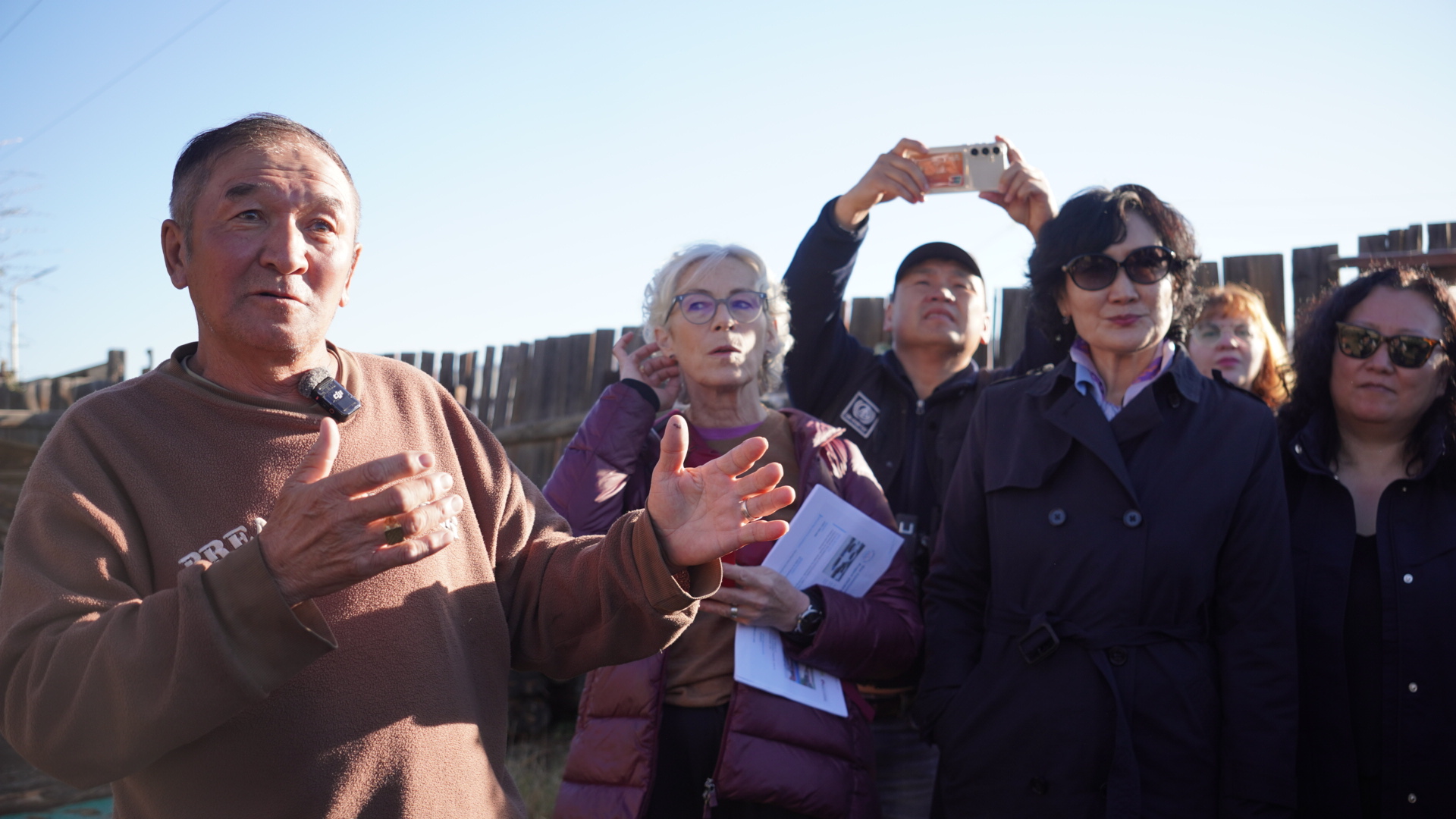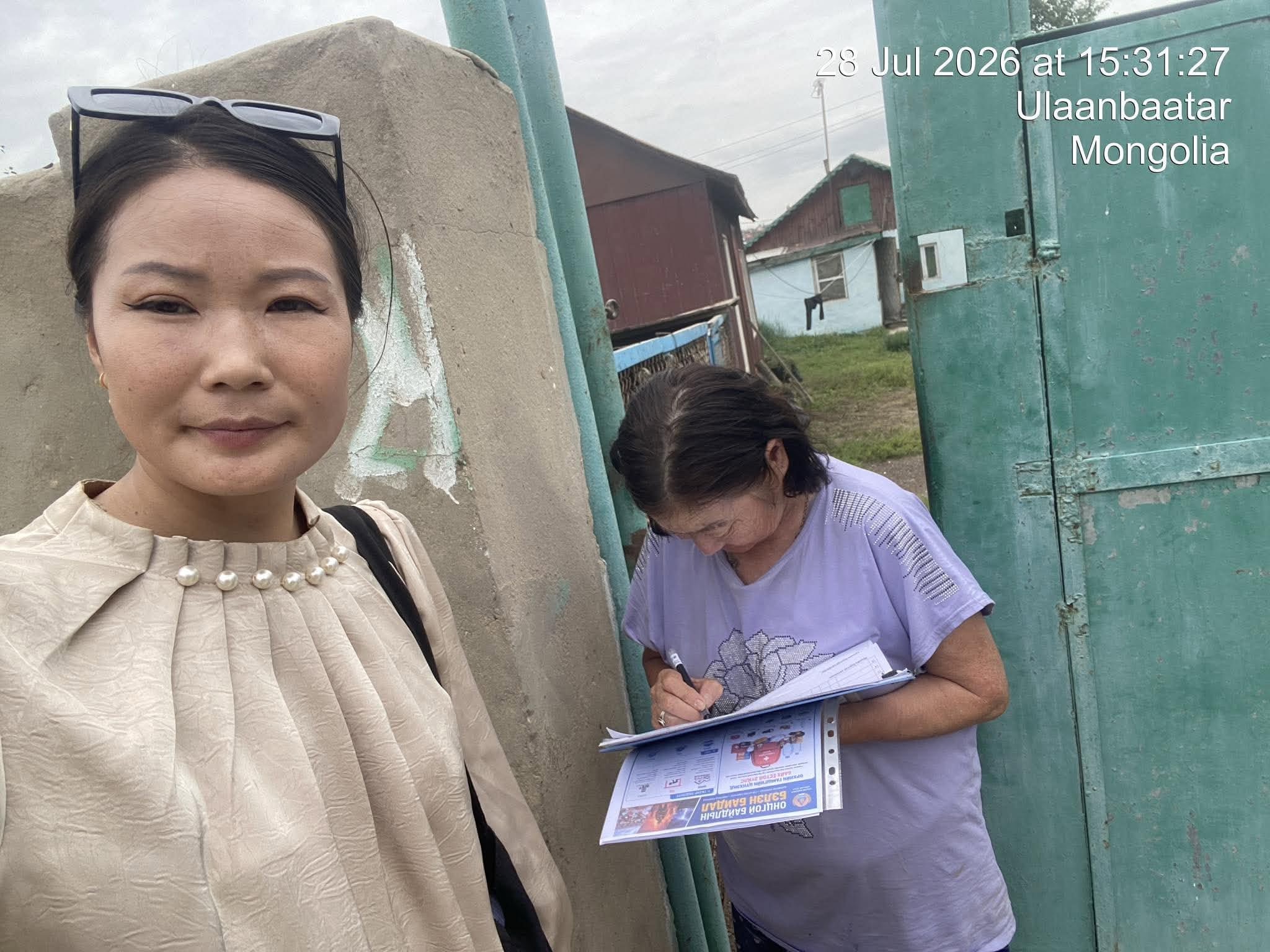
For many years, the 26th Khoroo of Songinokhairkhan District faced recurring risks of flooding during the summer and ice overflow during the winter. Household yards and streets in the ger areas along the Tolgoit River were flooded or covered with ice every year, causing significant difficulties for residents and generating frequent complaints and requests to the local khoroo administration.
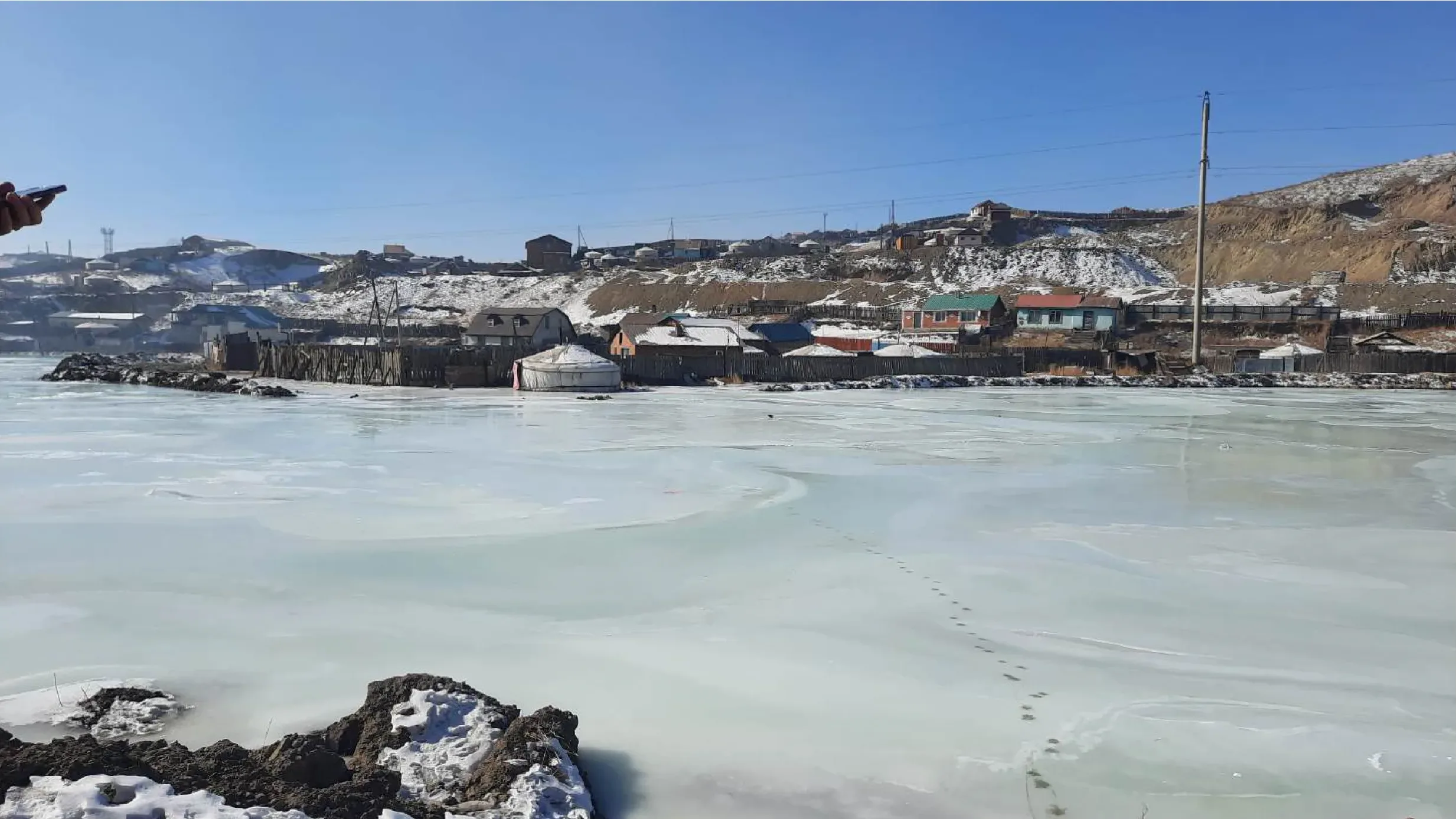
Winter ice overflow, in particular, posed one of the greatest challenges to residents' living conditions. To address this problem, the khoroo administration had to undertake annual ice excavation and removal activities, requiring substantial expenditures from the local government budget.
To address these challenges, comprehensive flood protection infrastructure was constructed in the Tolgoit River basin under the “Strengthening Flood Resilience of Ger Area Communities” project. The project included the construction of a 2,050-metre-long flood protection channel and two retention ponds designed to collect and store floodwater and winter ice overflow. Together, these facilities provide a combined storage capacity of 225,522 m³ of water and ice.
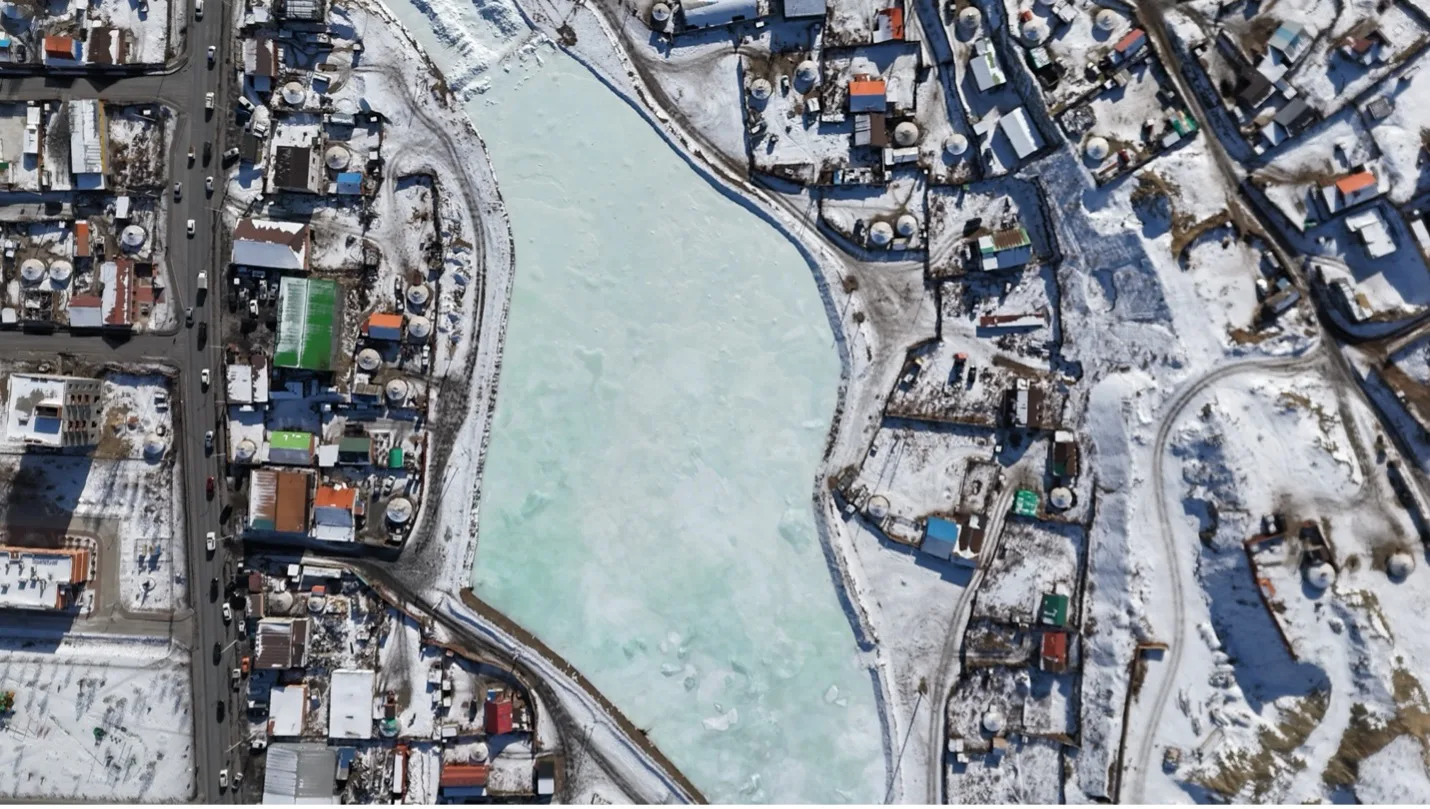
The flood protection channel directs water and ice into the retention ponds, while the ponds safely store the accumulated water and ice, functioning together as an integrated flood protection system.
Construction was fully completed in October 2024, and the infrastructure was put to its first real-world test during the following winter. Throughout the winter, the flood protection channel and two retention ponds collected water and ice, reaching approximately 80% of their combined storage capacity. The system successfully prevented the ice overflow that had previously affected residential yards and streets. As a result, not a single household, street, or residential yard was affected by ice overflow that winter.
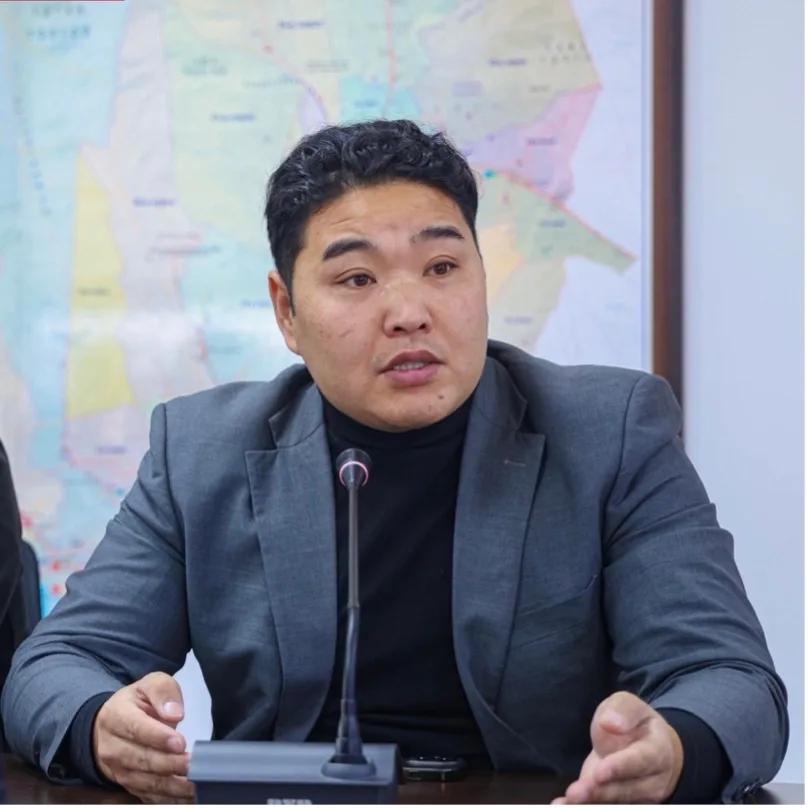
B. Batbayar, Governor of the 26th Khoroo of Songinokhairkhan District, commented:
“Our khoroo used to experience frequent flooding in the summer and ice overflow in the winter, causing considerable hardship for residents. However, the flood protection embankments, channel, and ponds constructed under last year's project have functioned very effectively, allowing us to get through this winter relatively peacefully. Previously, we had to spend MNT 50–100 million every year on excavating and removing ice. In some years, the yards of approximately 140 households were affected by ice overflow, but this year, not a single household was affected.”
This project provides a concrete example of how climate adaptation infrastructure can deliver tangible results in ger areas vulnerable to the impacts of climate change. In addition to reducing flood risks, the infrastructure has made an important contribution to reducing local government expenditures and improving the safety and living conditions of residents.
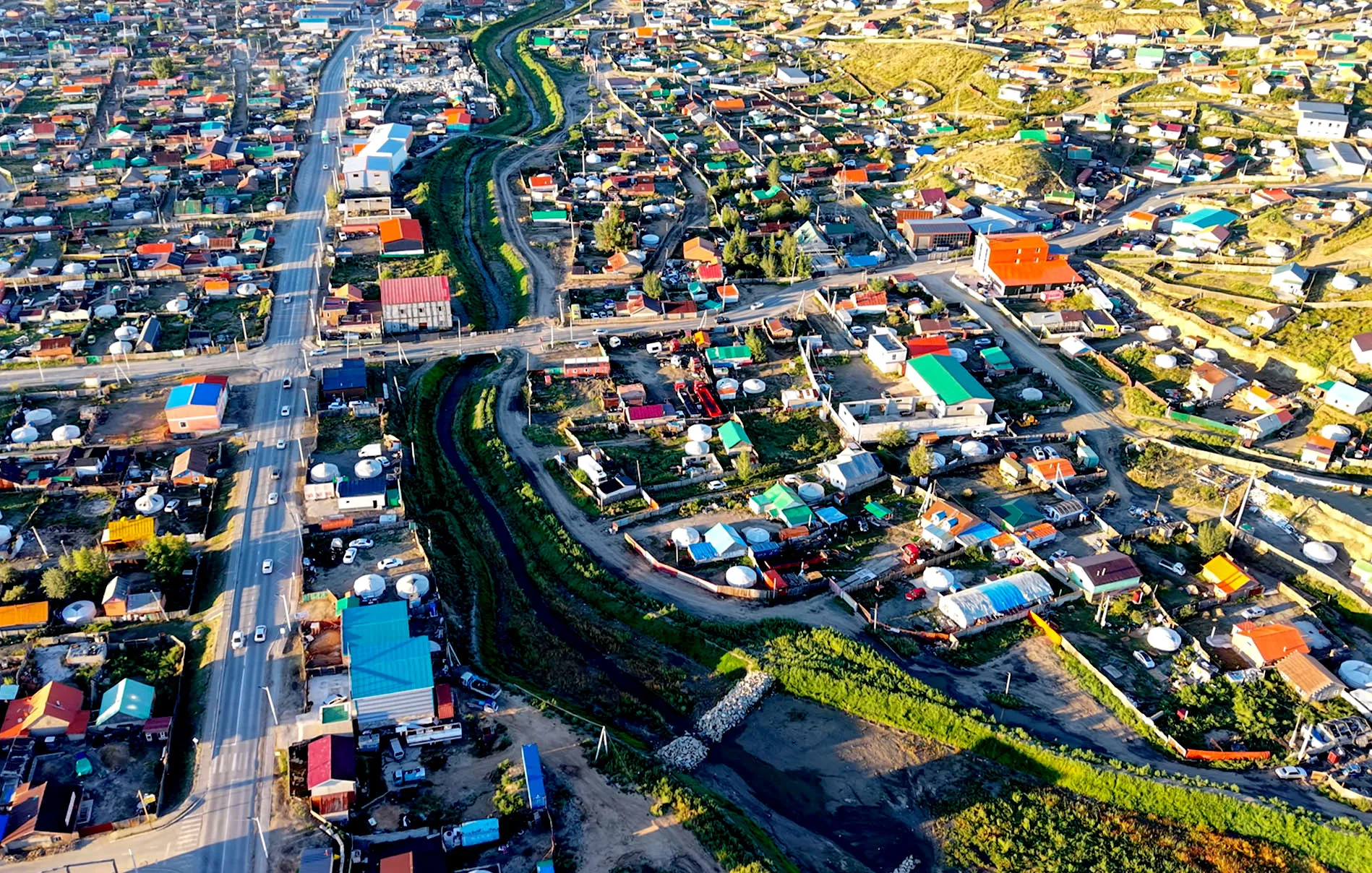
The project is being jointly implemented by UN-Habitat and Development Solutions NGO with funding from the Adaptation Fund.