
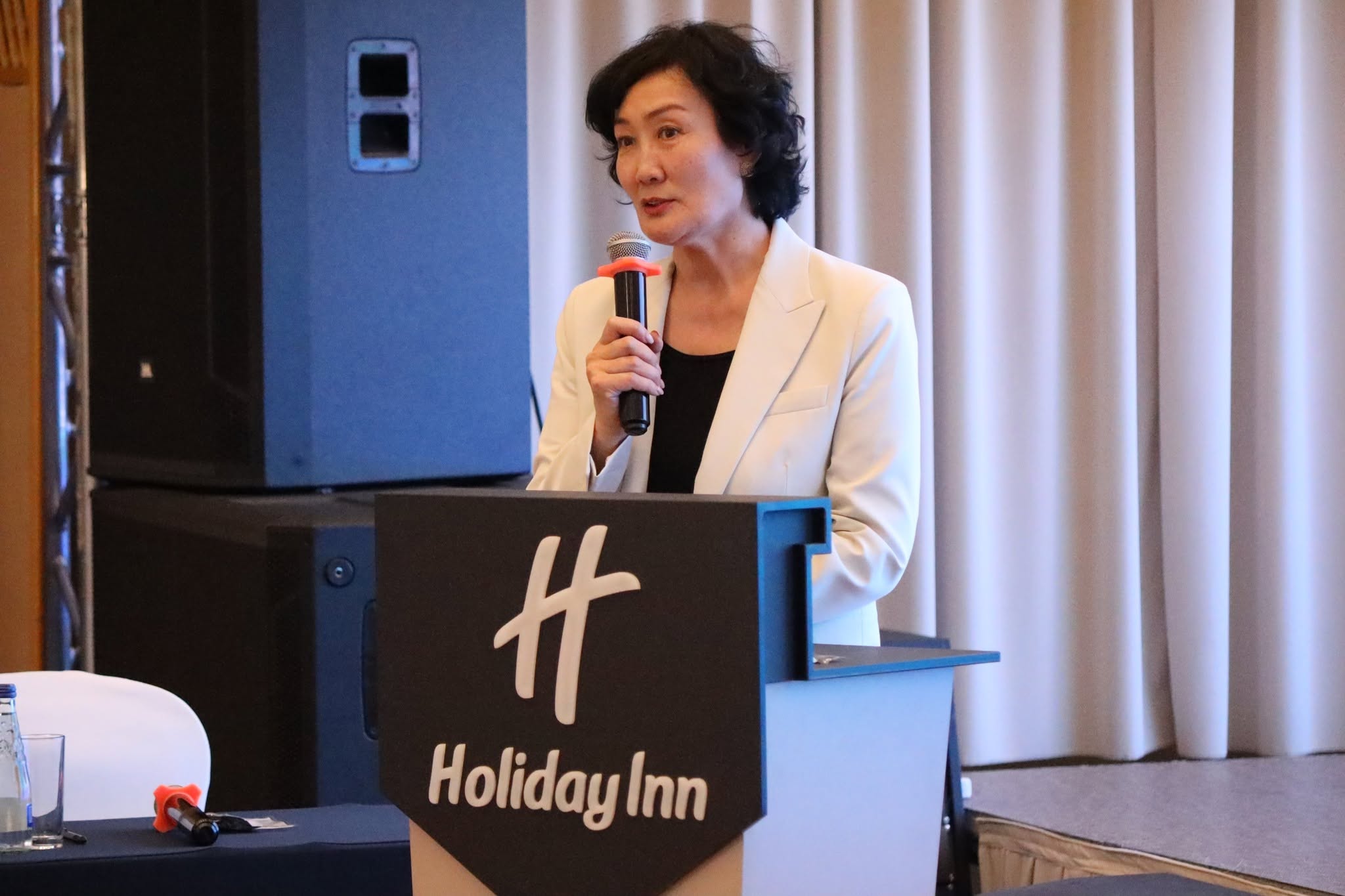
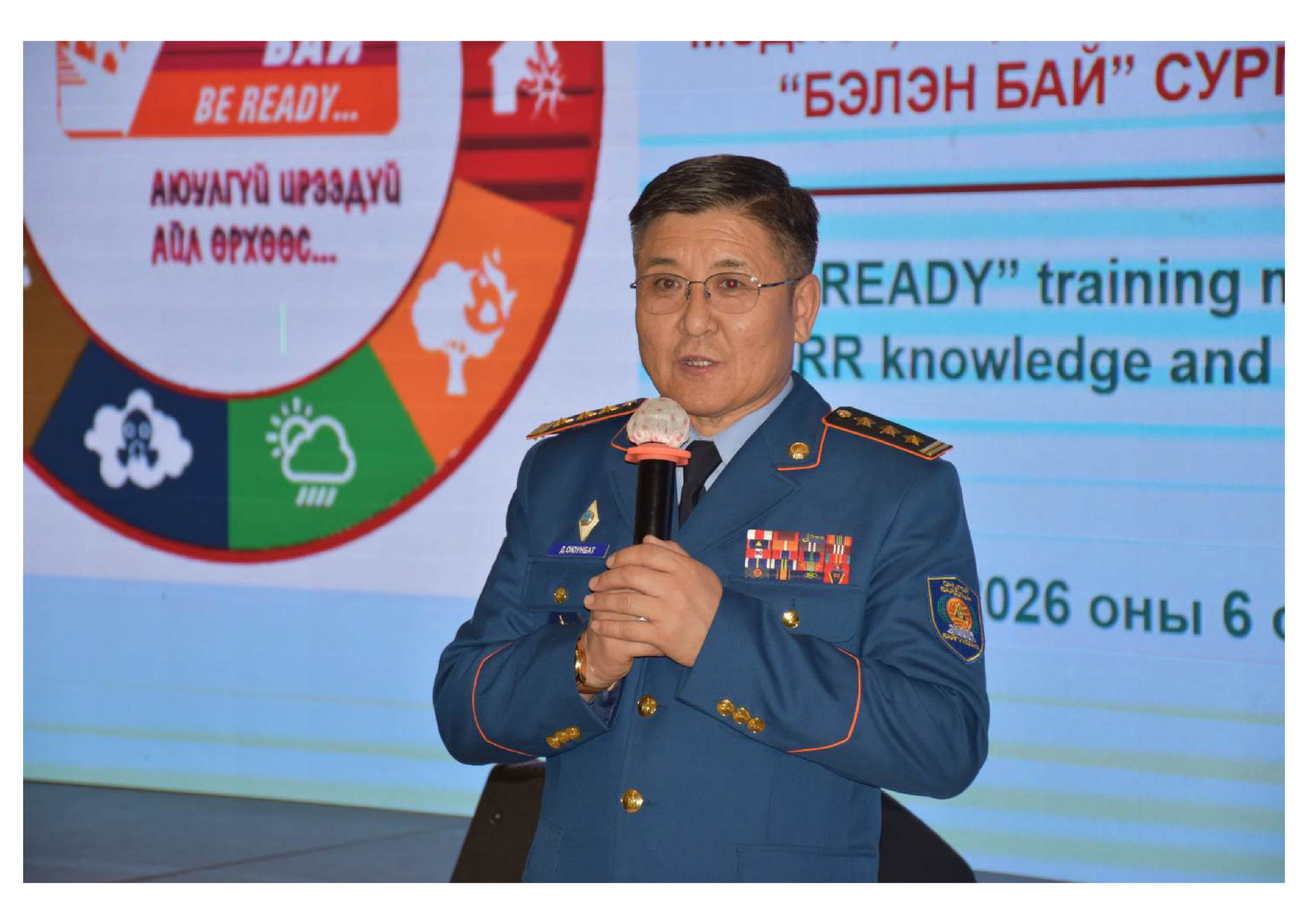
On 11–12 June 2026, a two-day “Be Ready” Training of Trainers (ToT) programme was organized under the Ger Community Resilience Project (GCRP) to strengthen disaster risk reduction knowledge and skills and prepare community-based trainers to raise awareness among local residents.
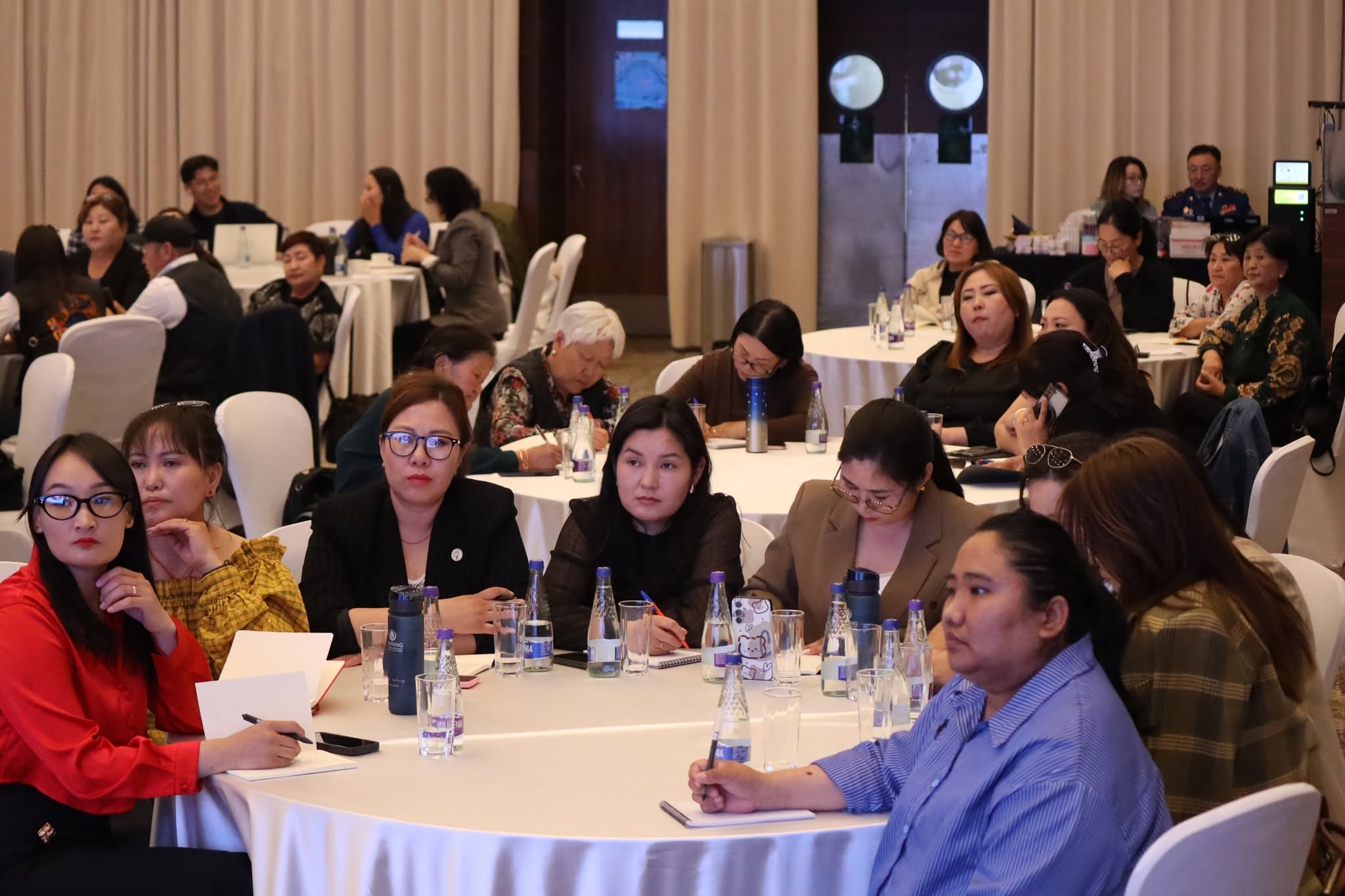
A total of 90 participants, including 78 women and 12 men, attended the training. Participants included residents of the project’s target khoroos, members of Residents’ Councils, and community group leaders and deputy leaders. The training was jointly organized by the National Emergency Management Agency (NEMA), UN-Habitat, and Development Solutions NGO.
The training aimed not only to enhance participants’ understanding of disaster risks but also to equip them with practical skills in assessing household-level risks, improving disaster preparedness, and planning risk reduction measures. A key feature of the programme was its Training of Trainers approach, which prepared participants to share their newly acquired knowledge and skills with residents in their respective khoroos and neighbourhoods.
Turning Household Disaster Preparedness into Practical Action
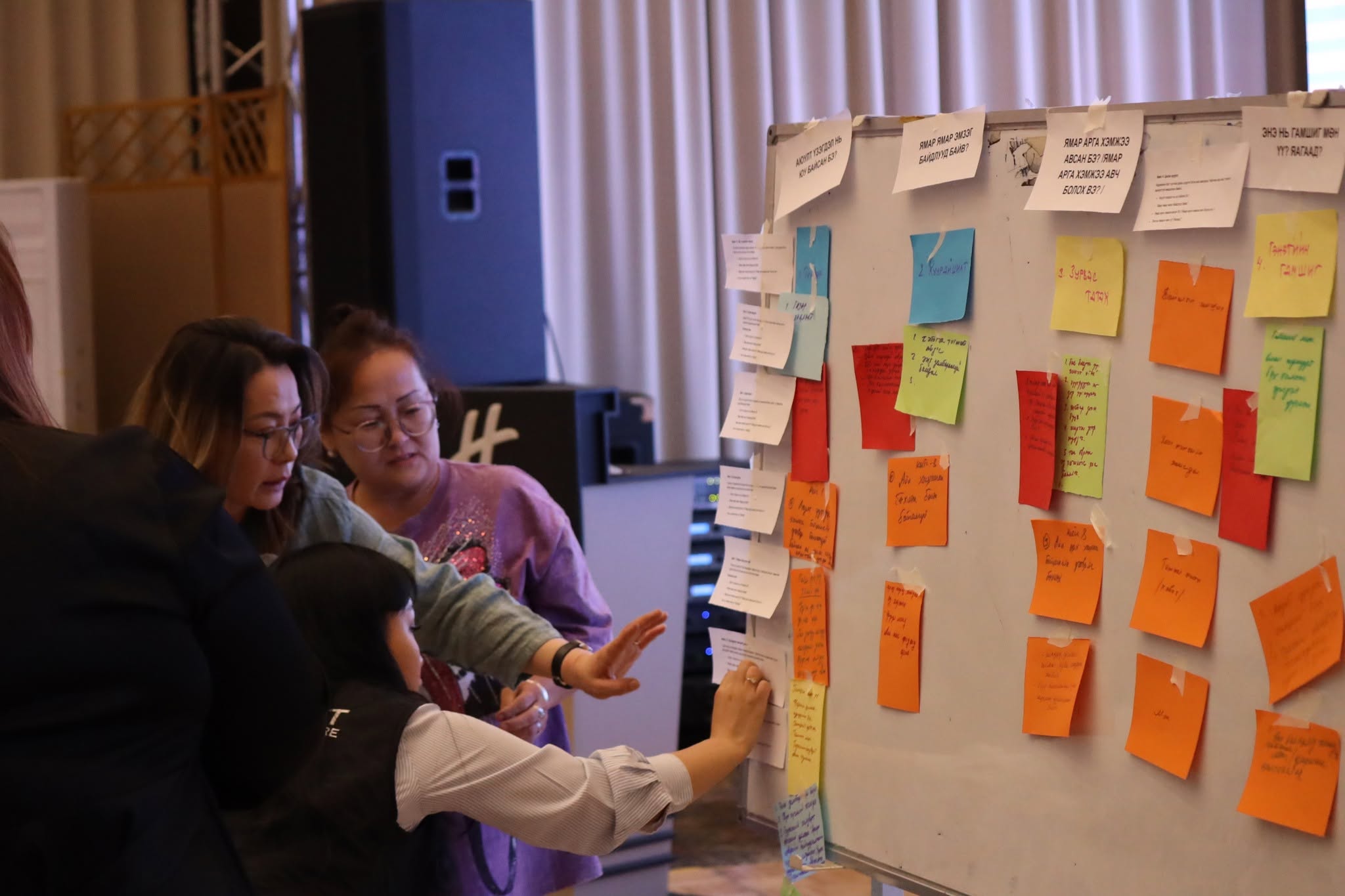
The training covered key topics, including climate change and the need for adaptation, flood and fire prevention, earthquake safety, and training facilitation methods. In addition to theoretical sessions, participants engaged in group exercises and discussions to explore practical measures households can take during and after disasters.
Participants examined the causes and potential impacts of flooding and discussed possible measures to reduce flood risks. Fire safety sessions focused on common causes of fires, preventive measures, and the proper use of fire extinguishers. Earthquake preparedness sessions emphasized personal and family safety, including the development of safe evacuation plans.
The training also included practical exercises on identifying hazards associated with household chemicals, safe handling and storage practices, understanding safety labels, conducting household disaster risk assessments, and developing preparedness plans. Participants identified potential disaster risks affecting their own households and planned appropriate risk reduction measures. They also incorporated practical preparedness actions into their household plans, such as assembling emergency go-bags, identifying designated family meeting points, and updating essential emergency contact information.
Sharing Knowledge with Local Communities
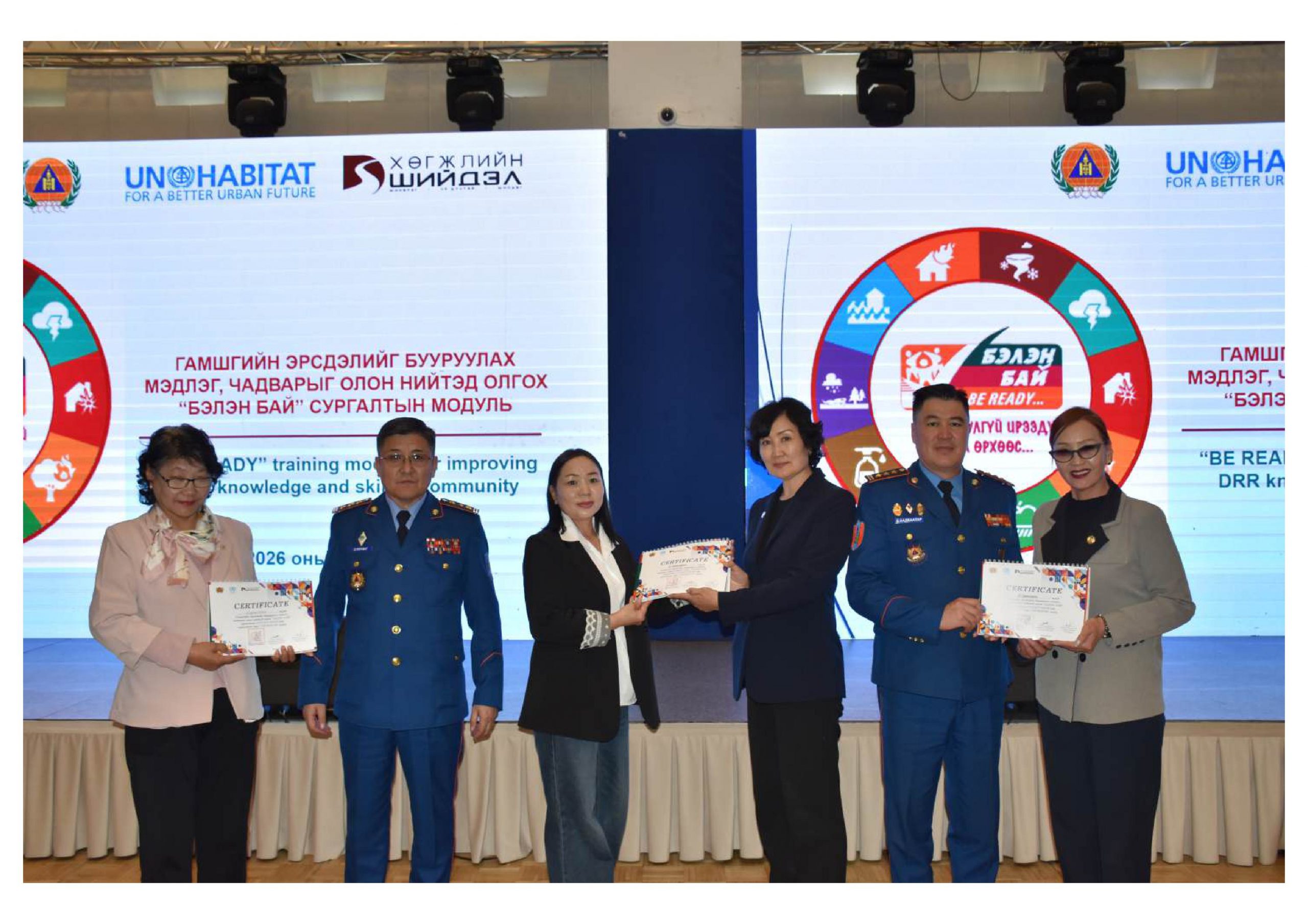
At the end of the training, participants developed action plans to share their newly acquired knowledge and training methods with residents in their respective communities and received their Training of Trainers certificates. This has equipped the trained community section leaders to raise awareness and promote disaster risk reduction knowledge and practices among residents in their khoroos.
Through the Ger Community Resilience Project (GCRP), local trainers are being equipped with the knowledge and skills needed to strengthen household and community disaster preparedness, reduce disaster risks, and promote community-led resilience.
