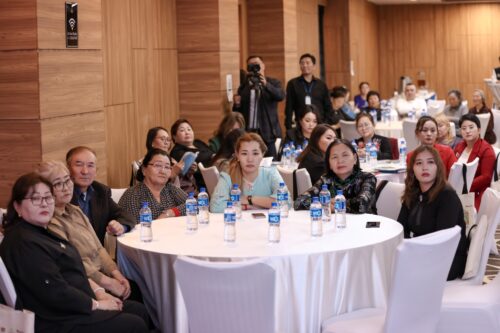
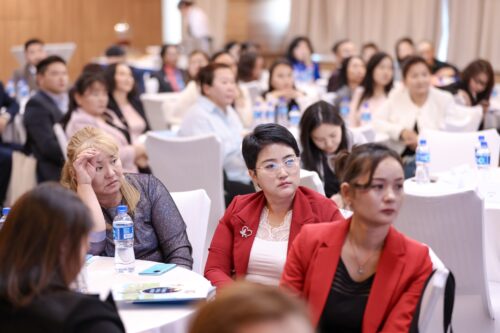
Within the framework of the “Strengthening Flood Resilience of Ger Area Communities” project, jointly implemented by UN-Habitat and Development Solutions NGO with funding from the Adaptation Fund, the annual Experience Sharing Meeting on People’s Process–Based Development Activities was successfully held.
This event is organized each year to provide a platform for community groups actively engaged in the project to share and learn from one another’s practical experiences and initiatives in overcoming flood risks and improving their living environment through collective action and community participation.
At this year’s meeting, community group leaders from Songinokhairkhan and Sukhbaatar districts shared their experiences of how residents came together to form groups and improve their neighborhoods through the People’s Process. Key examples included community-led implementation of flood-resilient sanitation solutions, construction of pedestrian paths, bridges and stairs, tree planting, and the development of green spaces, all carried out through residents’ own initiative and collective effort. In addition, the project team delivered presentations and awareness sessions on the People’s Process methodology and on opportunities to promote circular economy practices in Ger areas, aimed at strengthening community participation in local development.
The event brought together approximately 130 participants, including community representatives as well as city governors and officials from Darkhan, Erdenet, Chinggis, Sukhbaatar, Bulgan, Tsetserleg, Zuunmod, Khunnu, and Kharkhorum, who were visiting Ulaanbaatar to attend the project’s breakfast meeting on “Implementing the New Urban Agenda and Promoting Sustainable Urban Development.” These guests had the opportunity to learn from the initiatives and good practices of community groups formed under the project and to gain insights into how the People’s Process approach can strengthen citizen participation in their own cities’ development efforts.
During the event, the project team also distributed a printed booklet compiling real stories and experiences of community groups working to improve their living conditions, contributing to the wider dissemination of knowledge and good practices.
This experience-sharing meeting highlighted the critical role of citizen participation, community leadership, and local initiative in sustainable urban development and flood resilience, while also underscoring the project’s commitment to inclusive and equitable participation of women, persons with disabilities, and people in need of care.